


The importance of the oceans
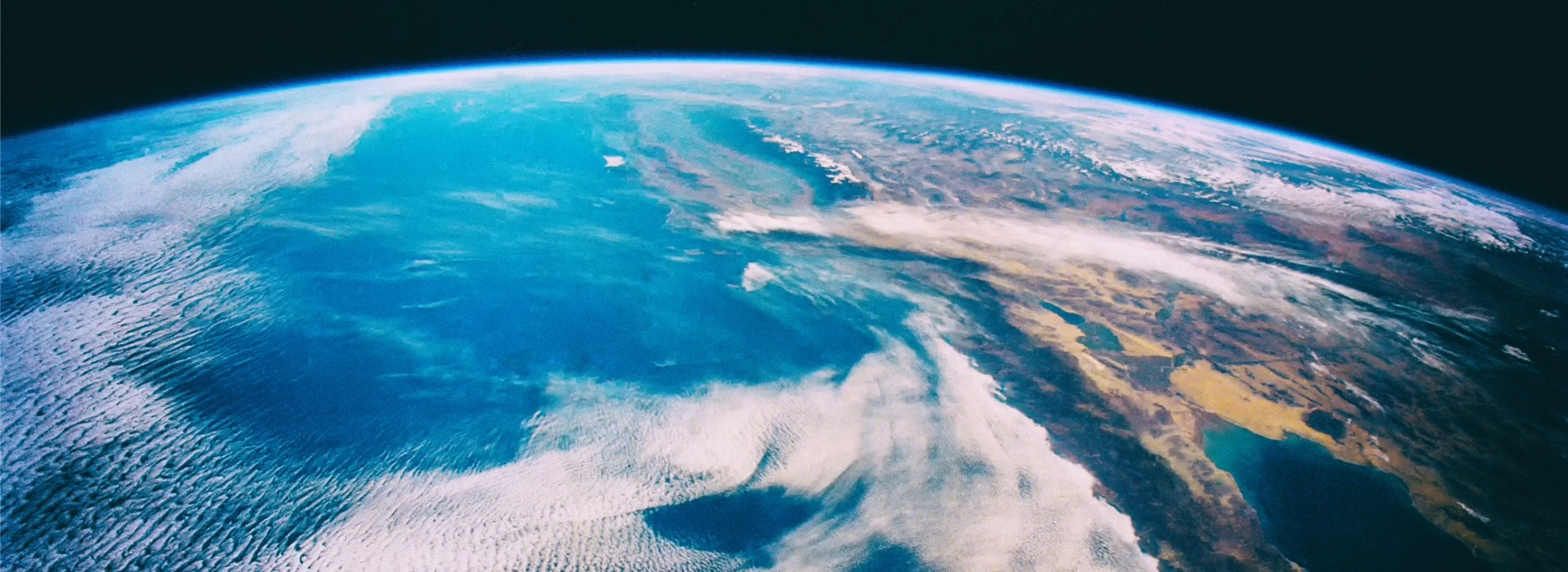
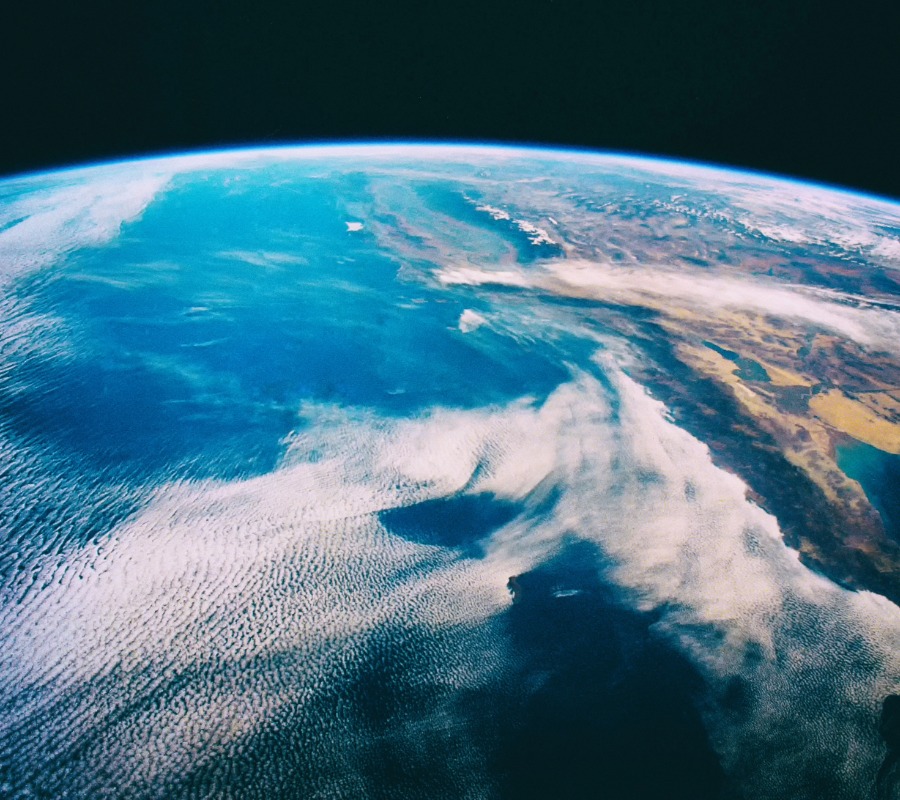
The oceans are the foundation of life on our planet. They cover more than two-thirds of the Earth’s surface and are inextricably linked to our lives. They regulate the climate, produce a large share of the oxygen we need to breathe, provide food and livelihoods for billions of people, and support an extraordinary diversity of species and habitats. Healthy oceans are therefore essential to a planet worth living on – today and for generations to come.
The oceans as climate regulators
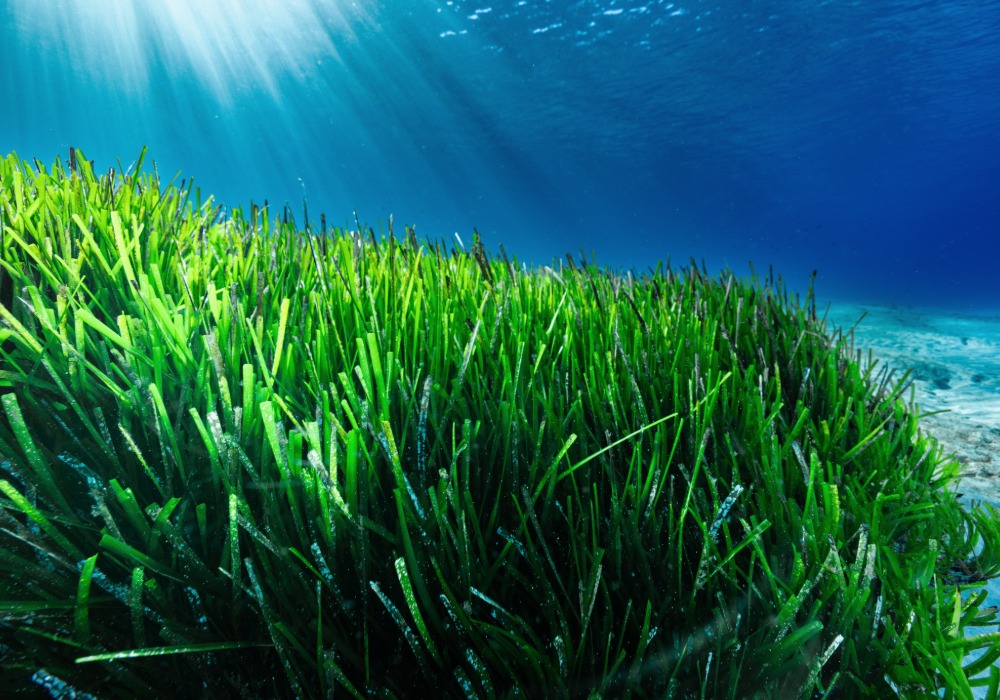
The oceans are one of the Earth’s most important climate regulators. They absorb a large share of the excess heat generated by human activities and store enormous amounts of carbon. Ocean currents distribute heat around the globe and influence weather and climate far beyond coastal regions. Marine ecosystems also make an important contribution to climate protection. Seagrass meadows, mangroves, and other coastal ecosystems store large amounts of carbon while also protecting coastlines from erosion and the impacts of storms. The healthier and more intact these ecosystems are, the more resilient they are to the effects of climate change.
No oceans, no air to breathe
It is often forgotten that a large share of the oxygen in our atmosphere comes from the ocean. Tiny organisms such as phytoplankton are largely responsible: through photosynthesis, they produce oxygen while also absorbing carbon. They form the foundation of the marine food web and demonstrate how closely even the most inconspicuous forms of life are connected to the functioning of our entire planet. Protecting the oceans therefore also means protecting the natural cycles that make life as we know it possible.
Food and Livelihoods for Billions of People
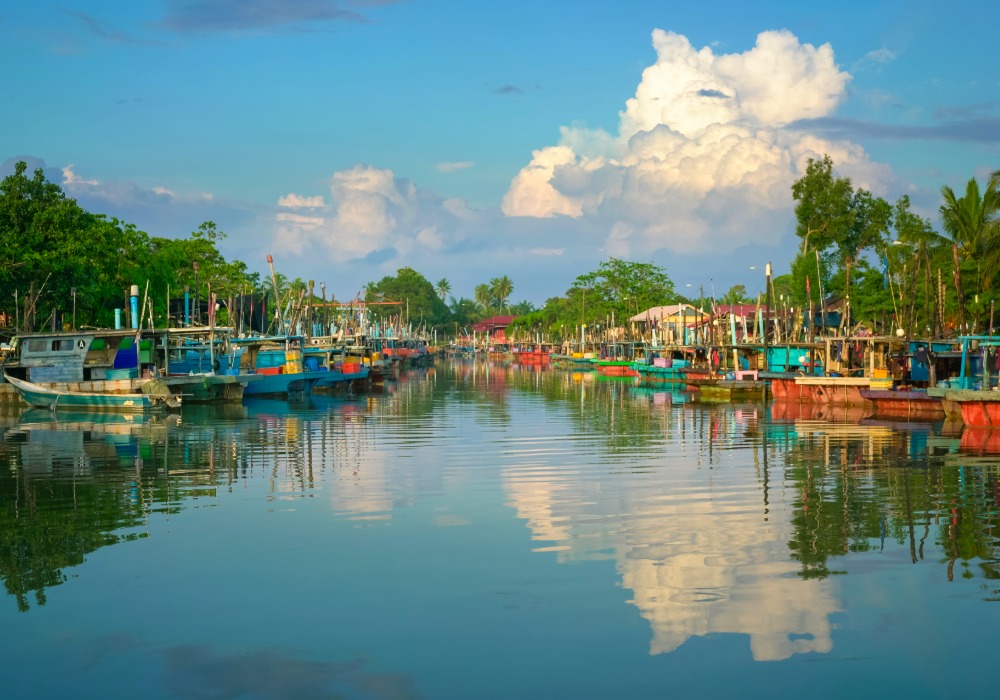
For billions of people, the oceans are a direct source of food and income. Fish and other marine animals are an important source of protein and other nutrients. At the same time, fishing, tourism, shipping, and numerous other industries provide jobs and livelihoods around the world. Yet these benefits cannot be taken for granted. Overfishing, habitat loss, pollution, and the climate crisis are placing increasing pressure on marine resources. Damage to marine ecosystems threatens not only biodiversity but also food security and the economic livelihoods of billions of people.
Hotspots of biodiversity
The oceans are home to a fascinating diversity of organisms, from microscopic plankton to the largest animals on Earth. Coral reefs, seagrass meadows, mangroves, deep-sea regions, and the open ocean form complex ecosystems in which countless species depend on one another.
This biodiversity is far more than a natural treasure. It ensures that ecosystems function and remain resilient. Healthy marine ecosystems regulate nutrient cycles, store carbon, produce oxygen, and provide food and habitat. Every species lost and every habitat destroyed can weaken this delicate balance.
The Mediterranean: A sea of particular importance
The Mediterranean holds a particularly important position for Europe. It connects three continents and has served for thousands of years as a bridge between cultures, societies, and economic regions. At the same time, it is a unique biodiversity hotspot: despite accounting for only around one percent of the world’s ocean area, the Mediterranean is home to a significant share of known marine species. Fishing, tourism, and trade also make it an economic lifeline for the entire region. At the same time, the Mediterranean is among the most heavily impacted marine environments in the world. Climate change, overfishing, pollution, and intensive human activity are placing increasing pressure on its ecosystems.
Why the Mediterranean also matters to Switzerland
Although Switzerland has no coastline, it is closely connected to the Mediterranean region. There are numerous links through trade and supply chains, tourism, migration, and cultural exchange. At the same time, processes in the Mediterranean region influence Europe’s climate and weather patterns and therefore also affect the Alpine region. Changes can affect precipitation, water resources, and extreme weather events. The Mediterranean’s biodiversity also provides ecosystem services from which Switzerland benefits indirectly, including stable fisheries, climate regulation, tourism, and scientific research. Protecting the Mediterranean is therefore also an investment in Switzerland’s resilience, quality of life, and future.